Part 4: “What is it?”
By: Steve Carey
The three temptations, tests or trials of Jesus in the wilderness deal in a figurative way with three categories or dimensions of life. They can be viewed as allegories for living, a hierarchy of needs or priorities that help guide us in what is important.
The first temptation is an allegory of the body, the physical. In “hunger,” we find all the things our bodies need, the physical things of life. Hunger can be put for the rent or mortgage that is due, food on the table, clothes on your back and the gas in your car, the bank account balance or the roof over our head. It is a metaphor for all the things we “hunger” for in this life.
Lu 4:3-4 The tempter came and said to him, “If you are the Son of God, command these stones to become loaves of bread.” But he answered, “It is written, “One does not live by bread alone, but by every word that comes from the mouth of God.’ ”
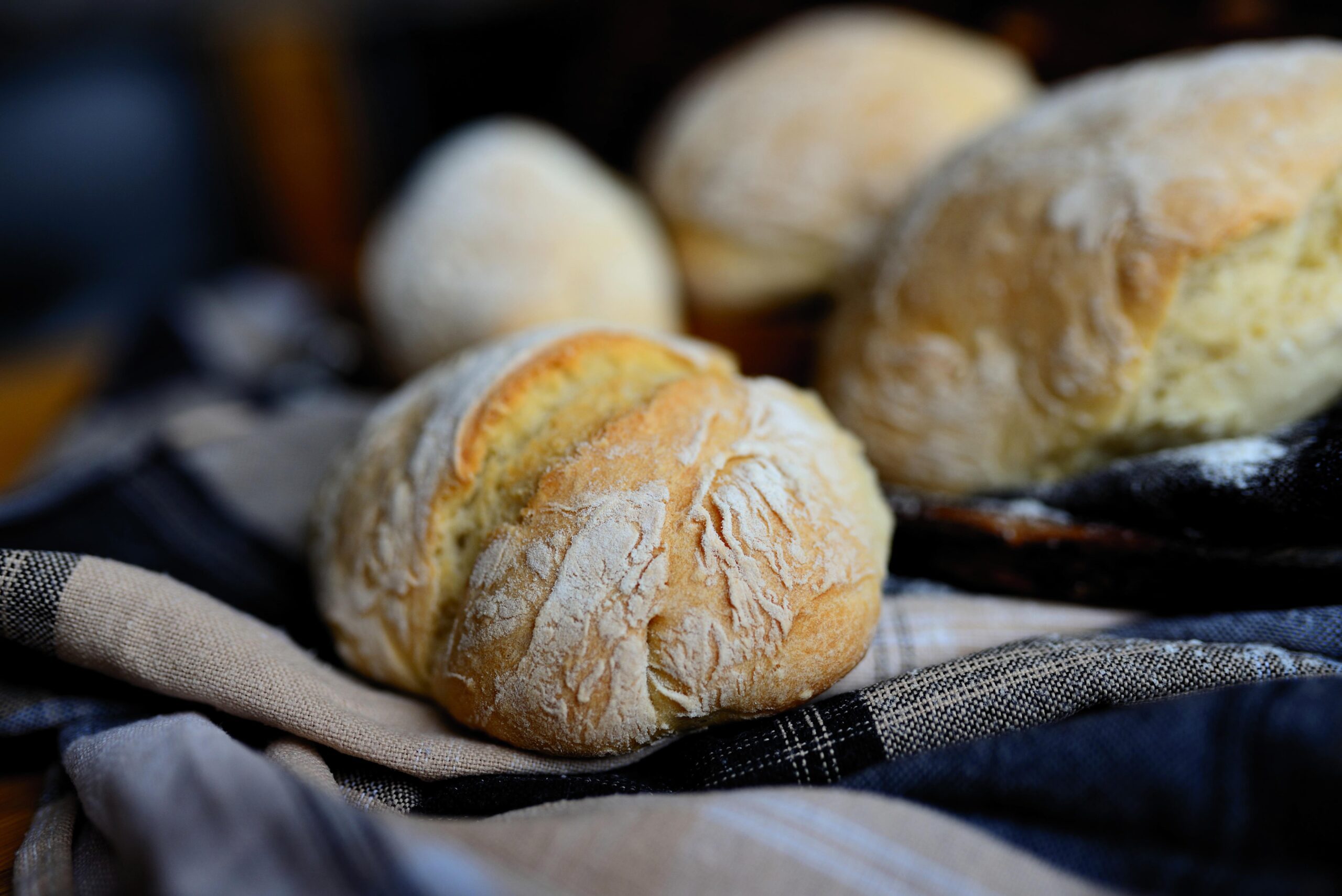
The “bread” Jesus refers to is manna, the bread that fell from heaven. Jesus quotes Deuteronomy 8, Moses’ summary of the events in Exodus 16. Only 45 days after God saved them from brutal Egyptian slavery, food supplies began running low, physical exhaustion and mental fatigue set in. Corporate fear soon gave birth to anxiety over food, which grew into the desire to go back to slavery. During a time of physical weakness, mental fatigue, and fear, they set about fixing a problem they did not have. God had promised He would supply and food literally fell from the sky which they then could eat called “manna”.
I want to go back to my slavery sometimes. When life is hardest, and no solution is in sight, I feel the need to do anything to stop the pain. Fatigue and pain can turn anyone into an unbeliever. When life sucks, when everything around seems to be disintegrating, our choices are “will we quiet ourselfs in the wilderness, waiting on God” or “will we start walking towards Egypt”? Jesus speaks to this thinking in the first of the beatitudes.
Mt 5:3 Blessed are the poor in spirit, for theirs is the kingdom of heaven.
The word “spirit” can have several meanings depending on its context. Sometimes spirit means God, Himself. Other times it can mean His gift of holy spirit given on Pentecost, living within us. Some uses of spirit refer to the person, their personality, willpower, and intellect. I believe this use of spirit is that latter one. Poverty in self-empowerment leaves room to invite the kingdom into our lives. I translate this verse “Happy, are you if you are not full of yourself.” To empty ourselves of plans and strategies, embracing God’s provision is happiness indeed, ask Martha,
Lu 10:40–42, … “Lord, do you not care that my sister has left me to do all the work by myself? Tell her then to help me.” But the Lord answered her, “Martha, Martha, you are worried and distracted by many things; there is need of only one thing. Mary has chosen the better part, which will not be taken away from her.”
Like Martha, I too have forsaken the “needful” for that which is less. When I abandon God’s provision I end up accepting a worse choice. It brings to mind a record in Hebrews,
Heb 10:35 -36 Do not, therefore, abandon that confidence of yours; it brings a great reward. For you need endurance, so that when you have done the will of God, you may receive what was promised.
Too often God’s provision is short circuited by our agenda like the Israelites who did not recognize God’s blessing, calling it “Manna” or “what is it” in Hebrew. Its name tells us they did not recognize God’s loving provision when it arrived. Moses explained the generous provision of a compassionate God during the 40 years of that wilderness walk. The Father wanted to impress so badly the nature of His faitfulness that He named Himself Yahweh-Yireh or “The LORD Will Provide.”
God’s provision however is not limited to “what is it”. All humanity drink from the cup of God’s goodness. If God decided to turn off gravity we would all float away. What if God turned off the air or water? Yes, from the least to the greatest, all humanity is dependent on His faitfulness. Jesus taught, both the sunrise and the rain and every other blessing within our world is the fruit of His love for all, whether acknowledged or not.
Mt 5:44-45 But I say to you, Love your enemies and pray for those who persecute you, so that you may be children of your Father in heaven; for he makes his sun rise on the evil and on the good, and sends rain on the righteous and on the unrighteous.
Moses penned Deuteronomy 8 in which he summarizes the lessons of “What is it” and the loving, forgiving nature of God. Both Moses and Jesus said, “That man shall not live by bread alone (referring to the manna He, God provided), but by every word of God.” God’s intention for humanity is more than that bread which He supplied. God’s physical provision of manna was not, and still is not, enough. Although He makes His sun to rise on the evil and the good, and sendeth rain on the just and unjust, still it is not enough to meet God’s criteria for life. All of God’s physical provision is less, including manna. They are signs pointing the way toward His larger intentions for all humanity. According to Jesus, God’s physical blessings are not an end in themselfs, but a means to a greater end, His Kingdom.
Matt 6:31 – 33 Therefore do not worry, saying, “What will we eat?’ or “What will we drink?’ or “What will we wear?’ … But strive first for the kingdom of God and his righteousness, and all these things will be given to you as well.
Everything in our world, food, clothing, shelter, job, family, fame, fortune, comfort, security or the lack (poverty) of these things are signs leading toward His Kingdom. He is the great prize of life. His physical provision is the demonstration of a larger, more powerful, spiritual provision greater than anything this world can offer. It is the gift which ushers humans into the divine, “The Word of God”, by which we truly live (everlasting life), the salvation word of God which usurers mere humans into the eternal.
The words Jesus spoke to the Smaritan woman at Jacob’s well He is still speaking to you and me,
Joh 4:13 -15 Where do you get that living water? … Jesus said to her, “Everyone who drinks of this water will be thirsty again, but those who drink of the water that I will give them will never be thirsty. The water that I will give will become in them a spring of water gushing up to eternal life.” The woman said to him, “Sir, give me this water, so that I may never be thirsty …”
The end of all we thrist for in this life is found in Jesus. Like the song says “when we’ve been there ten thousand years, bright shining as the sun, we’ll have no less days to sing God’s praise than when we first begun”.
John 4:23 -24 But the hour is coming, and is now here, when the true worshipers will worship the Father in spirit and truth, for the Father seeks such as these to worship him. God is spirit, and those who worship him must worship in spirit and truth.”
The Father is seeking those who will accept His spiritual provision and enter His Kingdom. Greater than all the physical provisions, including “what is it” or the water of “Jacob’s well”, our Father has gifted us with the greatest of all gifts, Himself forever.
Questions to consider:
What does “poor in spirit” mean to you? Is it a good or bad thing?
Do you sometimes relate to Mary or to Martha? Why?
Do you feel that you sometimes short circuit the provision of God with your own plans and agenda?
Do feel like “The Kingdom of God” is more important to you than the things of this world?
What do you seek first?
Of all Gods provision in your life which means the most to you?
Do you feel spirit lead and spirit filled? What might you do to increase that feeling?